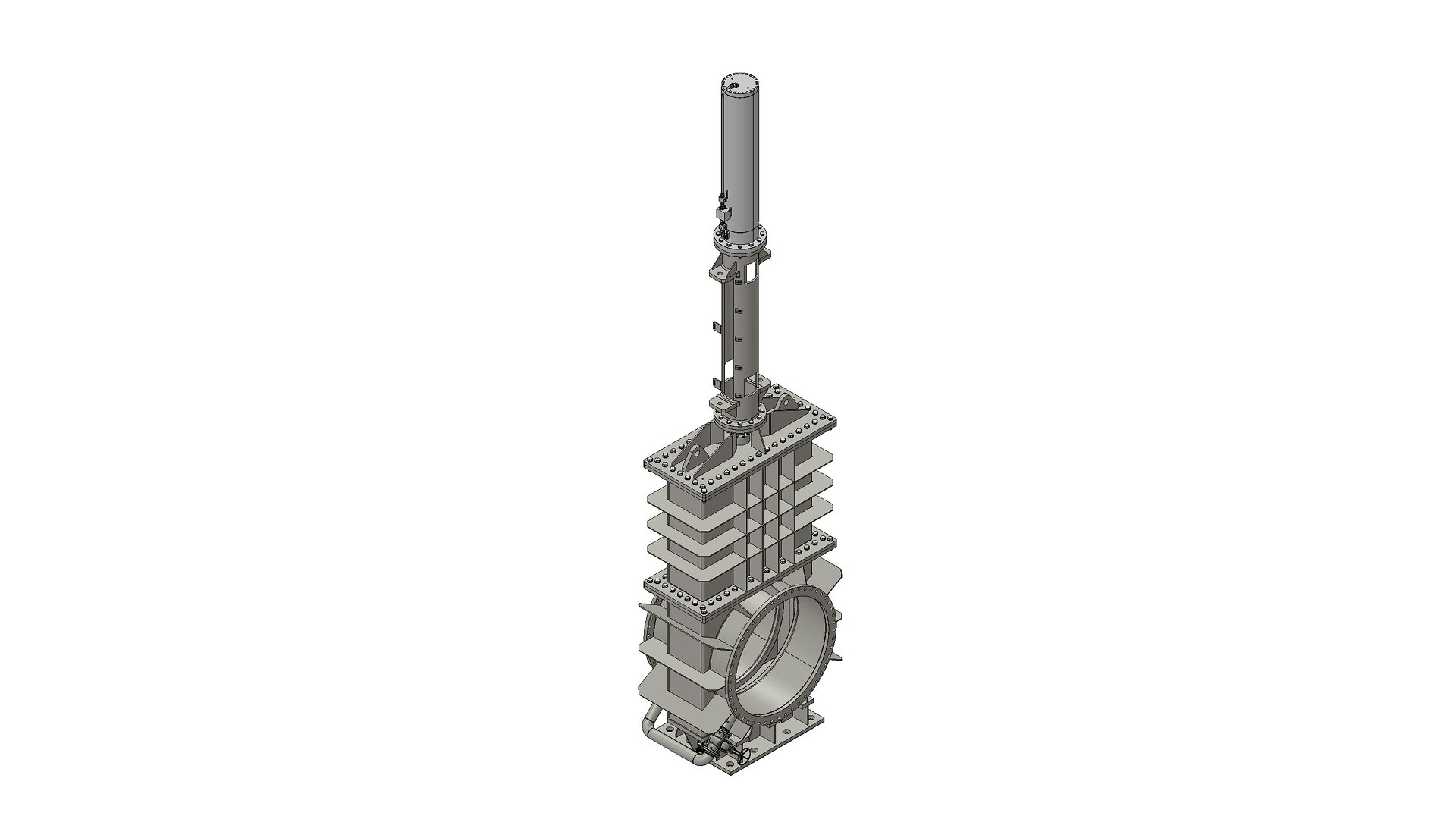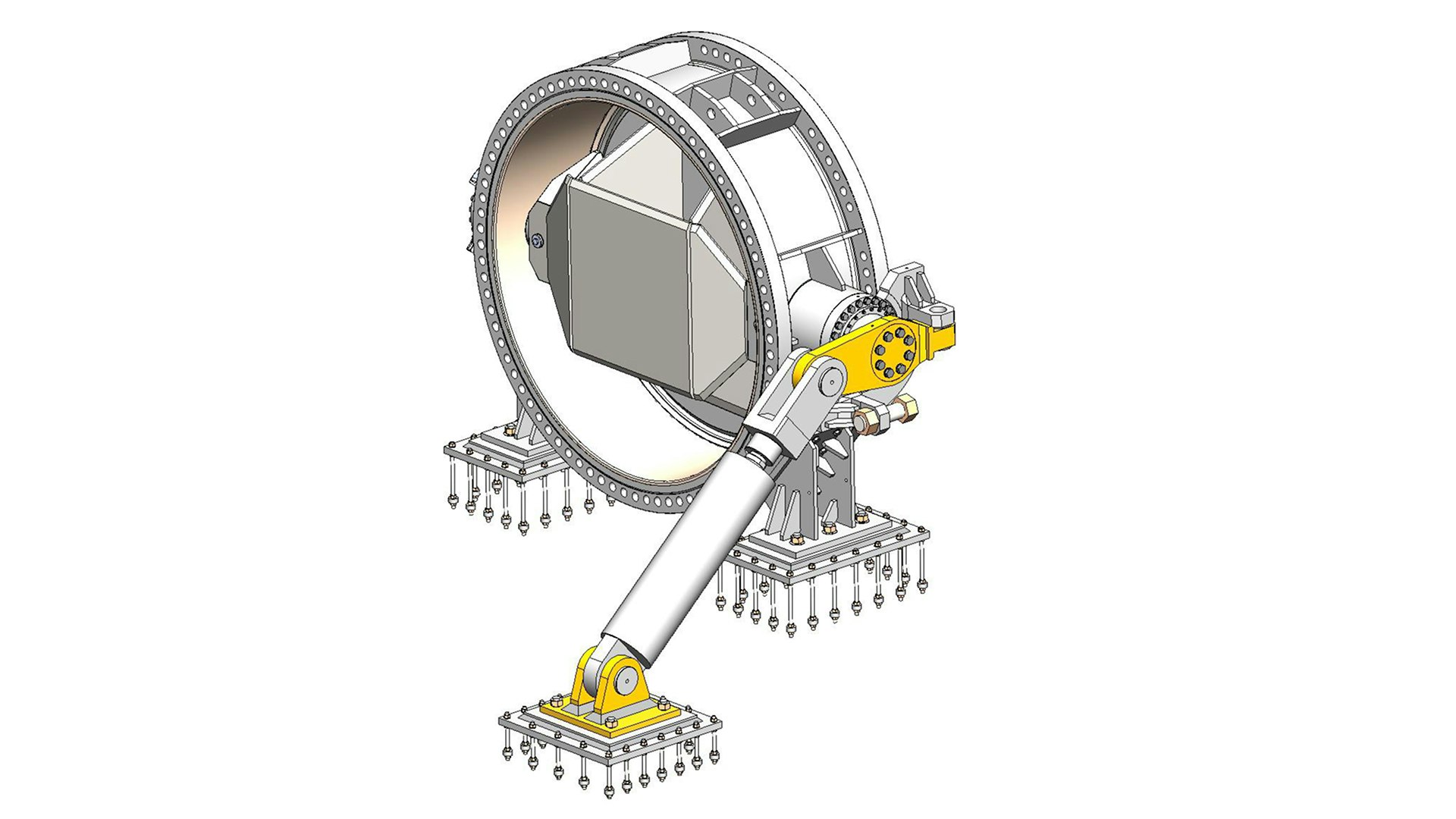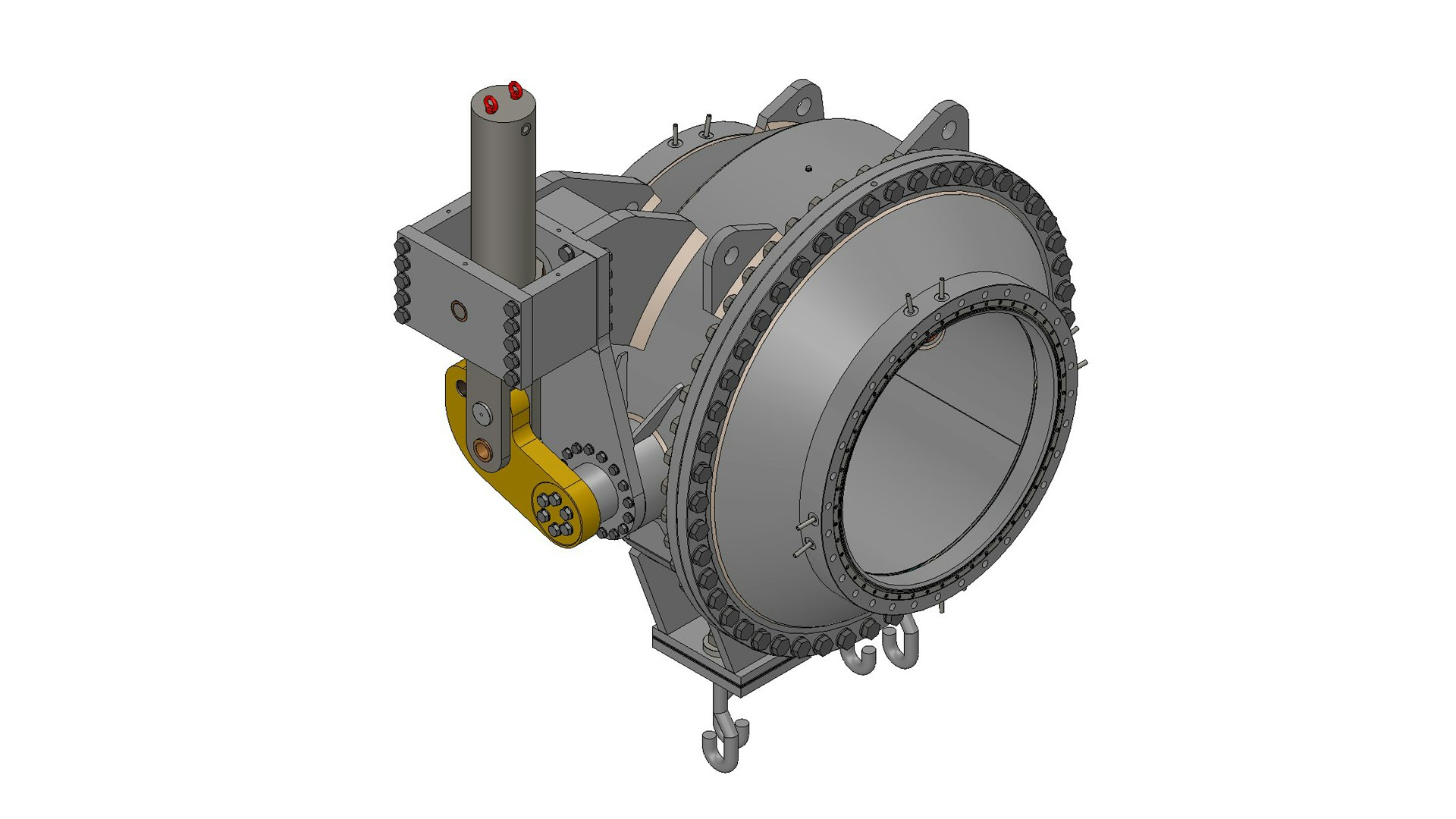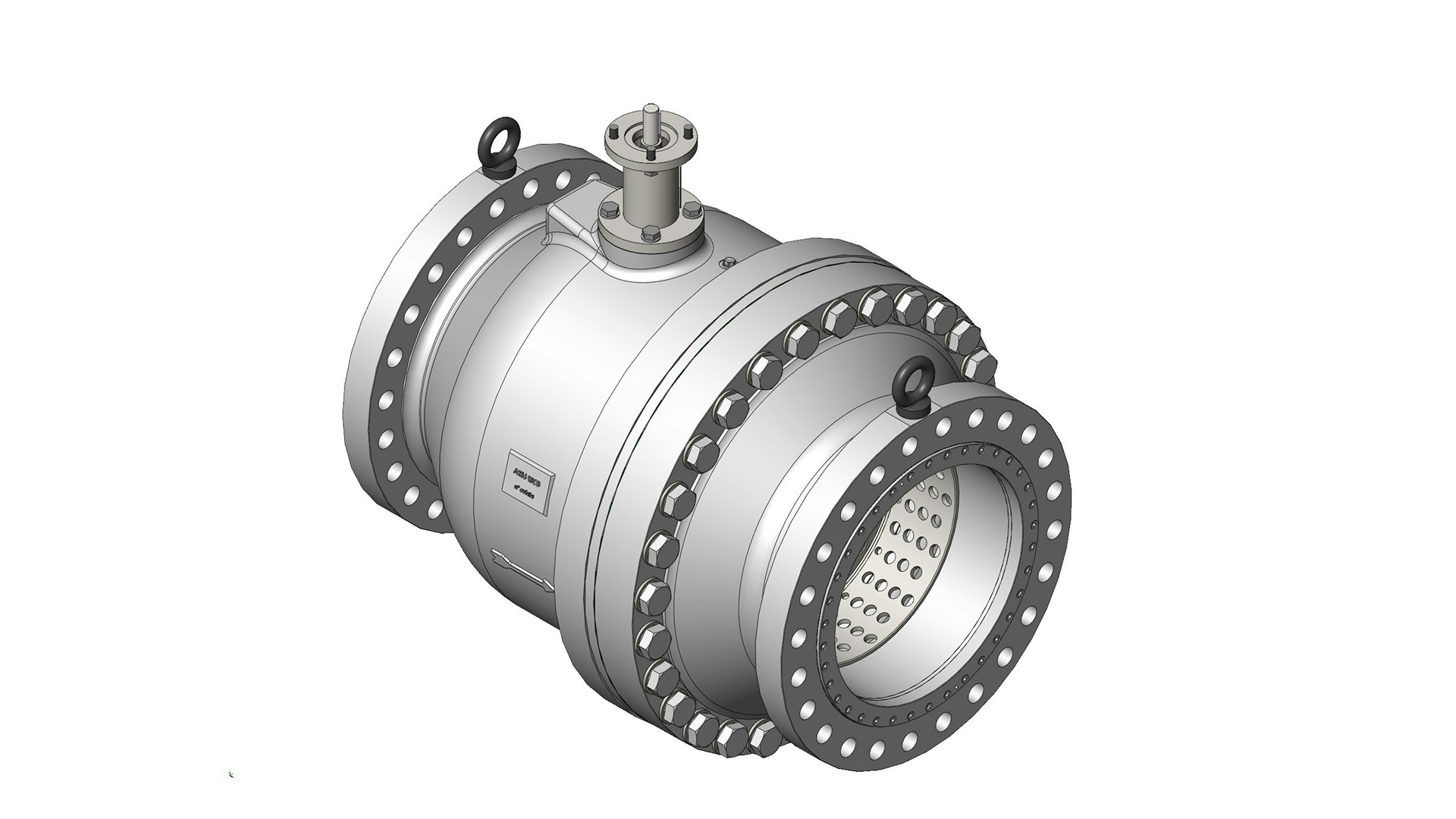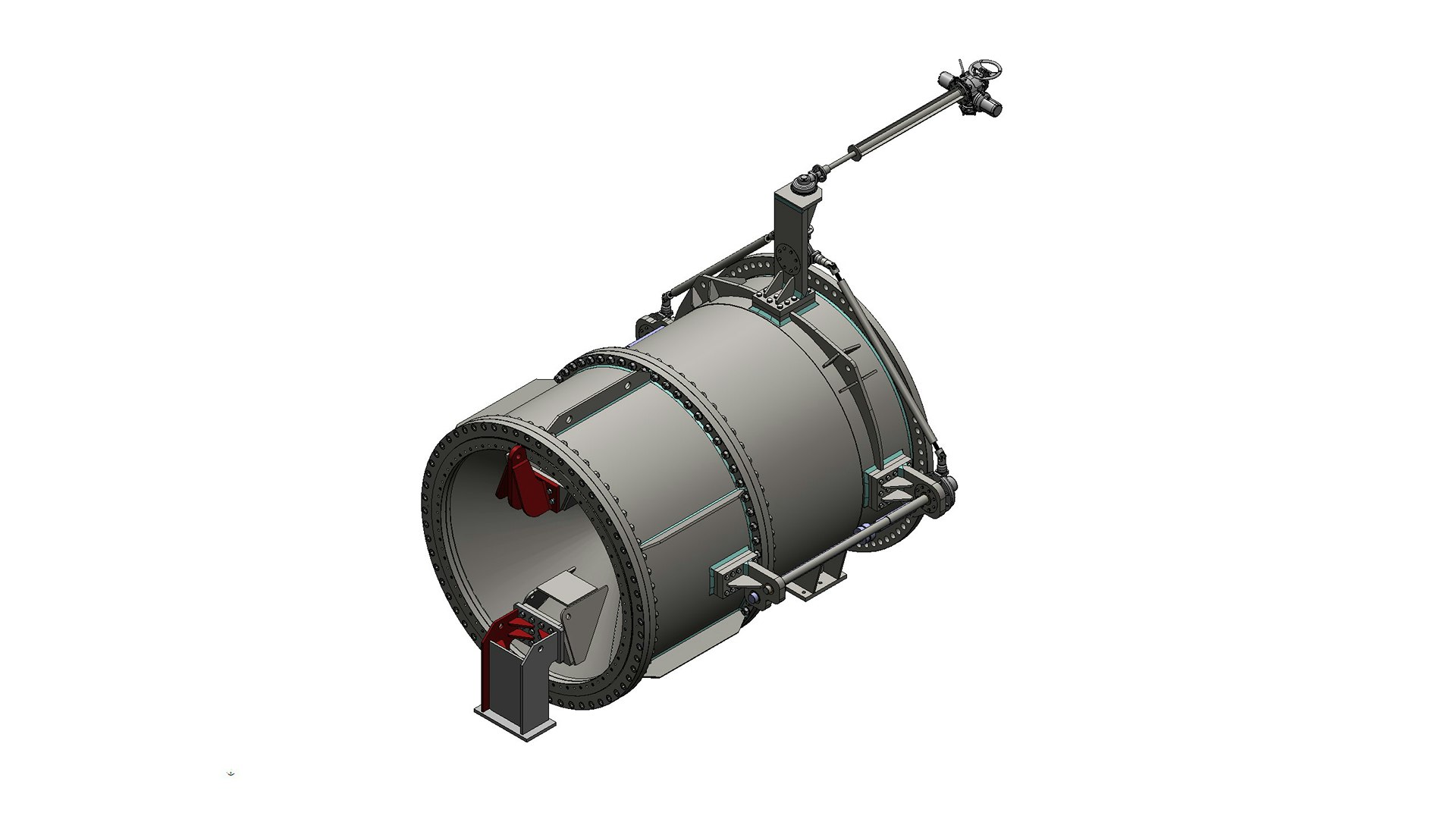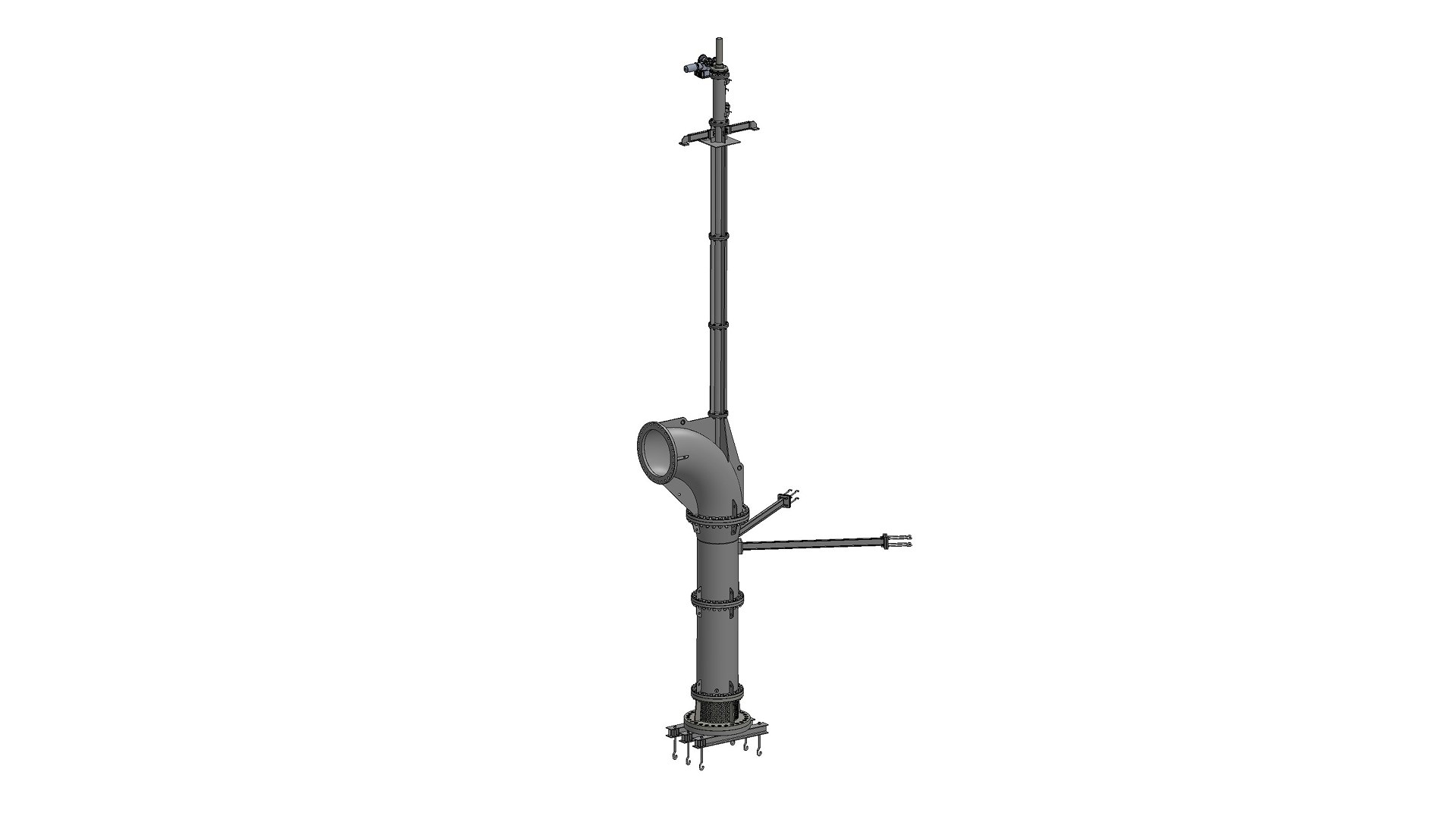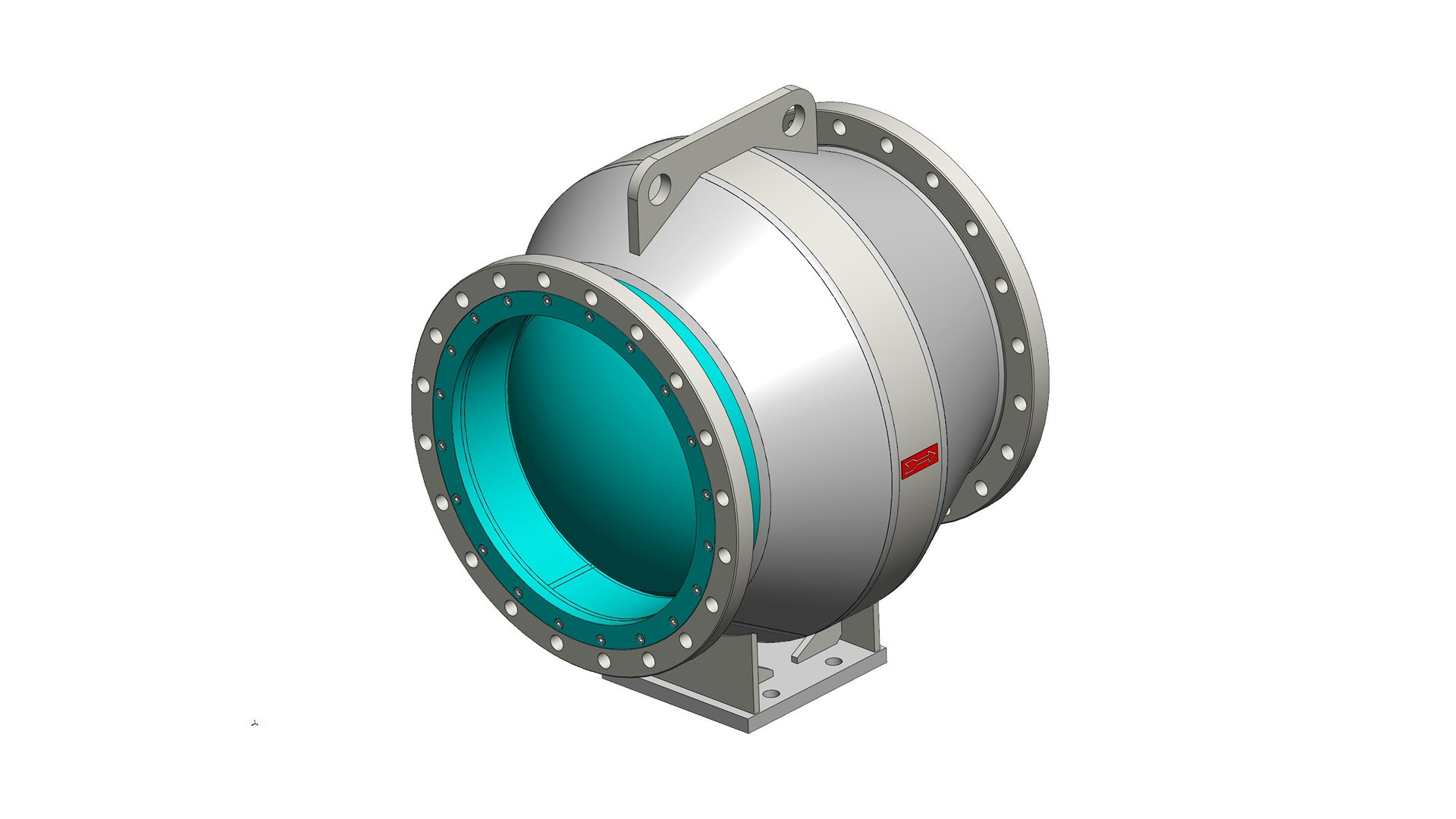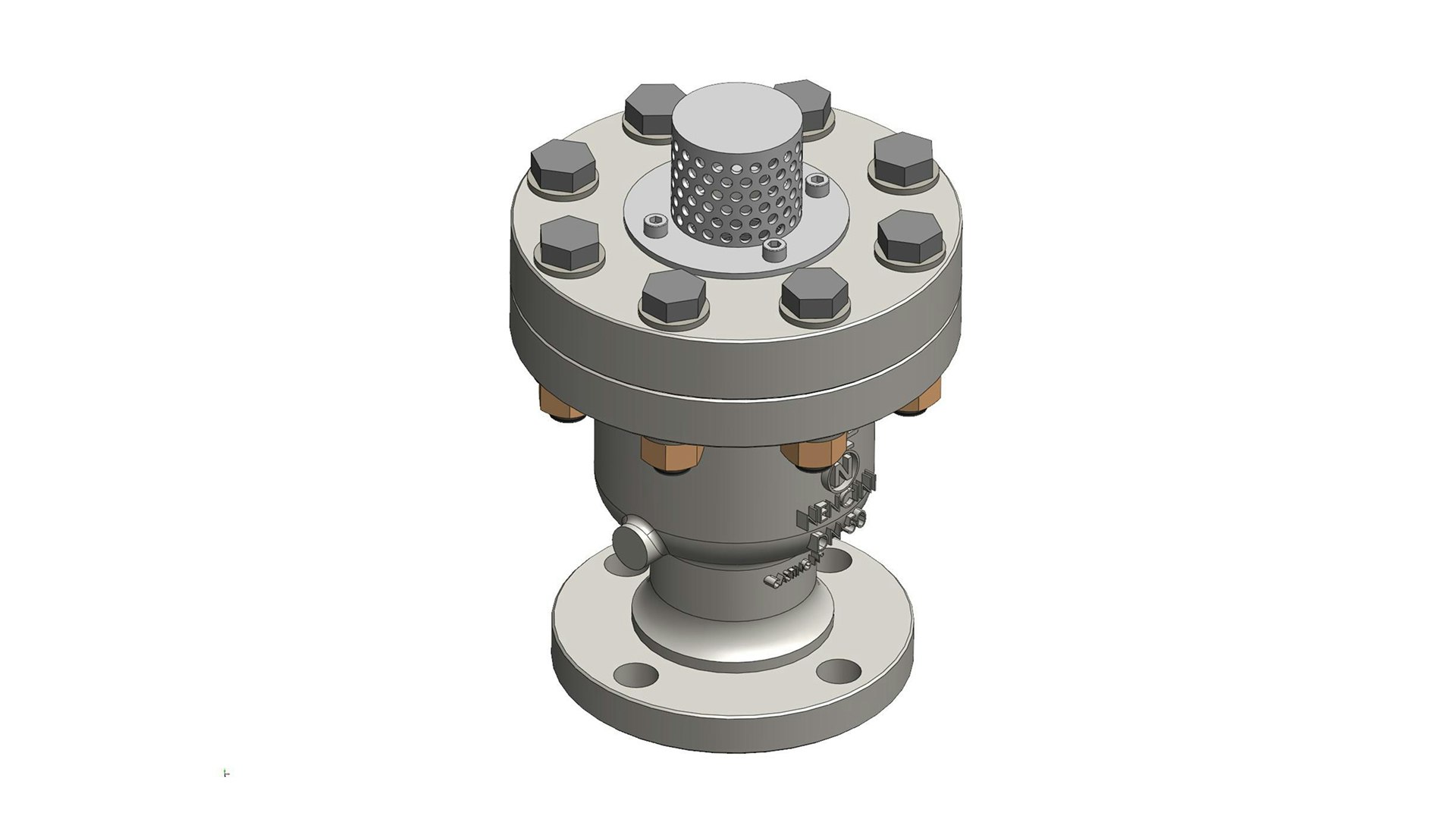

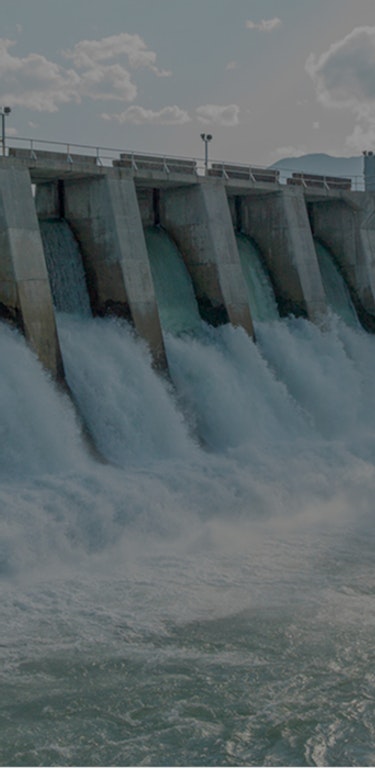

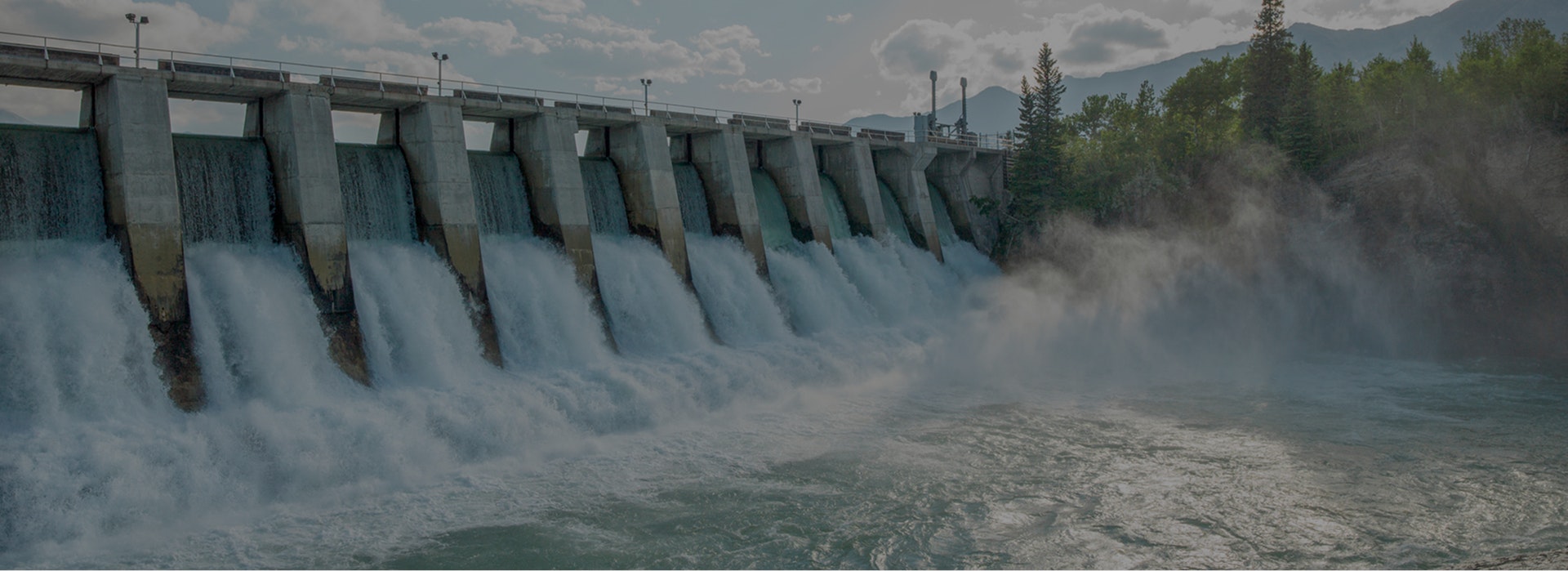
Dams and Hydro Power Plants
Functions of Valves in Dams
- Flow Regulation: Controlling the release or diversion of water from reservoirs to downstream rivers, irrigation systems, or hydroelectric plants.
- Water Level Management: Maintaining desired reservoir levels for flood control, water supply, and ecological balance.
- Emergency Control: Quickly releasing water during emergencies to prevent overtopping or structural failure.
- Maintenance and Inspection: Isolating sections of the dam or associated pipelines for safe inspection and repair work.


Applications of Valves in Dam Operations
- Outlet Works: Valves manage the release of water from the reservoir to rivers, irrigation channels, or treatment plants.
- Spillways: Emergency or auxiliary valves control water flow during flood events.
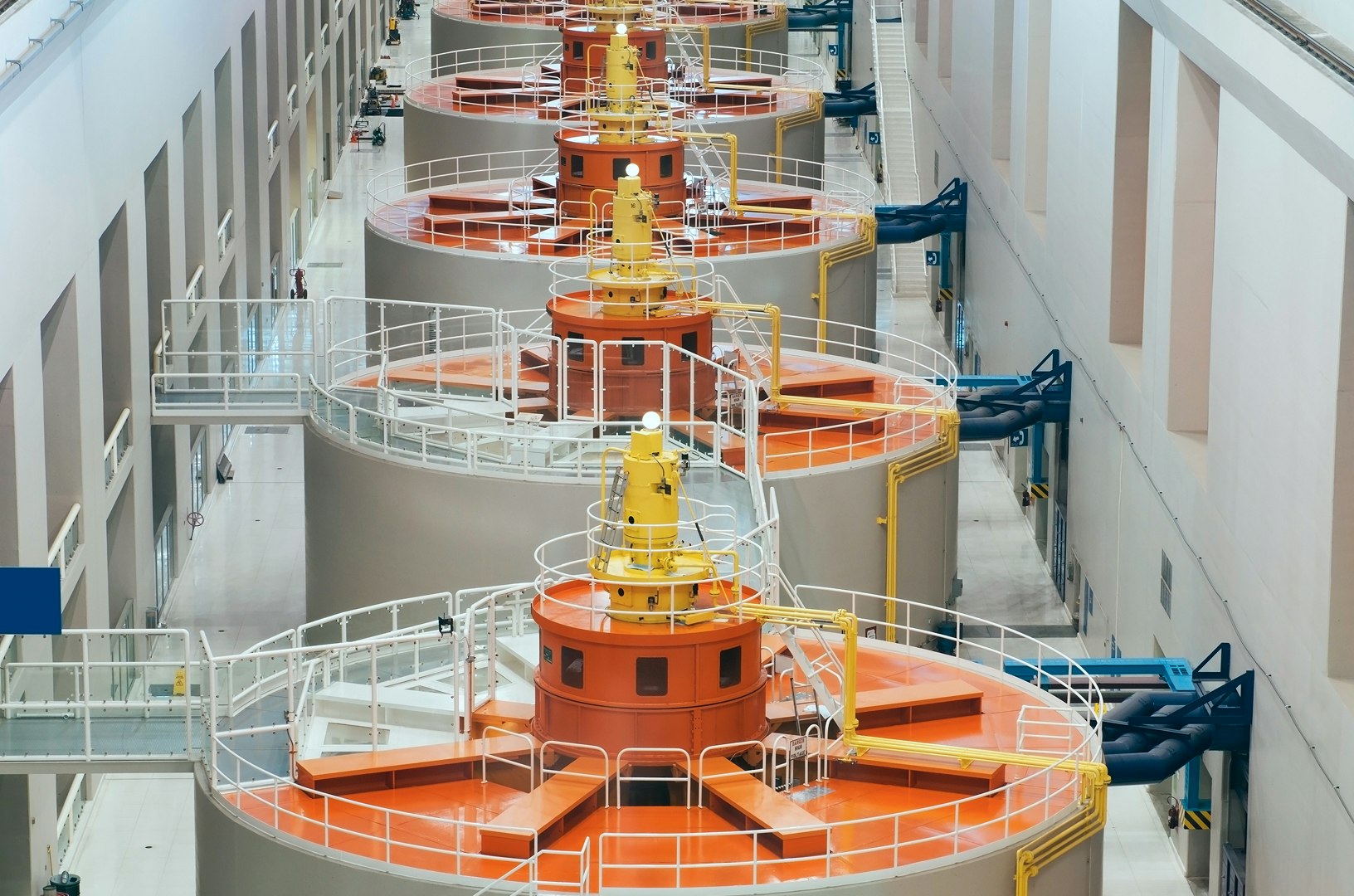
- Hydropower Generation: Valves regulate water supply to turbines, optimizing electricity production and ensuring safety.
- Intake Structures: Valves control the entry of water into pipelines or tunnels for distribution or power generation.
Key Considerations in Valve Selection
- Water Pressure and Flow Rate: Valves must withstand and control varying pressures and flow volumes.
- Operational Frequency: Some valves are designed for frequent operation, while others are reserved for emergencies.
- Maintenance Access: Ease of inspection and repair is crucial for long-term reliability.
- Environmental Impact: Valves should minimize downstream erosion, turbulence, and ecological disruption.