

Water Distribution Networks
Functions and Importance
- Flow Control: Valves allow operators to start, stop, or adjust water flow as needed for maintenance, emergencies, or operational efficiency.
- Isolation: By isolating sections of the network, valves enable repairs and upgrades without disrupting the entire system.
- Pressure Management: Certain valves help maintain safe and consistent water pressure across the distribution system.
- Backflow Prevention: Check valves and backflow preventers are crucial for protecting potable water supplies from contamination.
- Air Management: Air release and vacuum valves prevent air pockets and negative pressure, which can disrupt flow and damage infrastructure.



Applications in Water Distribution
Valves are strategically placed throughout water distribution networks. Some common applications include:
- At pump stations to control supply and protect equipment
- At critical junctions and intersections for system flexibility
- Along main and branch lines for routine maintenance and emergency isolation
- At customer service connections to manage supply and prevent unauthorized usage
- Near reservoirs and tanks for level and pressure control
Types of Valves Used in Water Distribution Networks
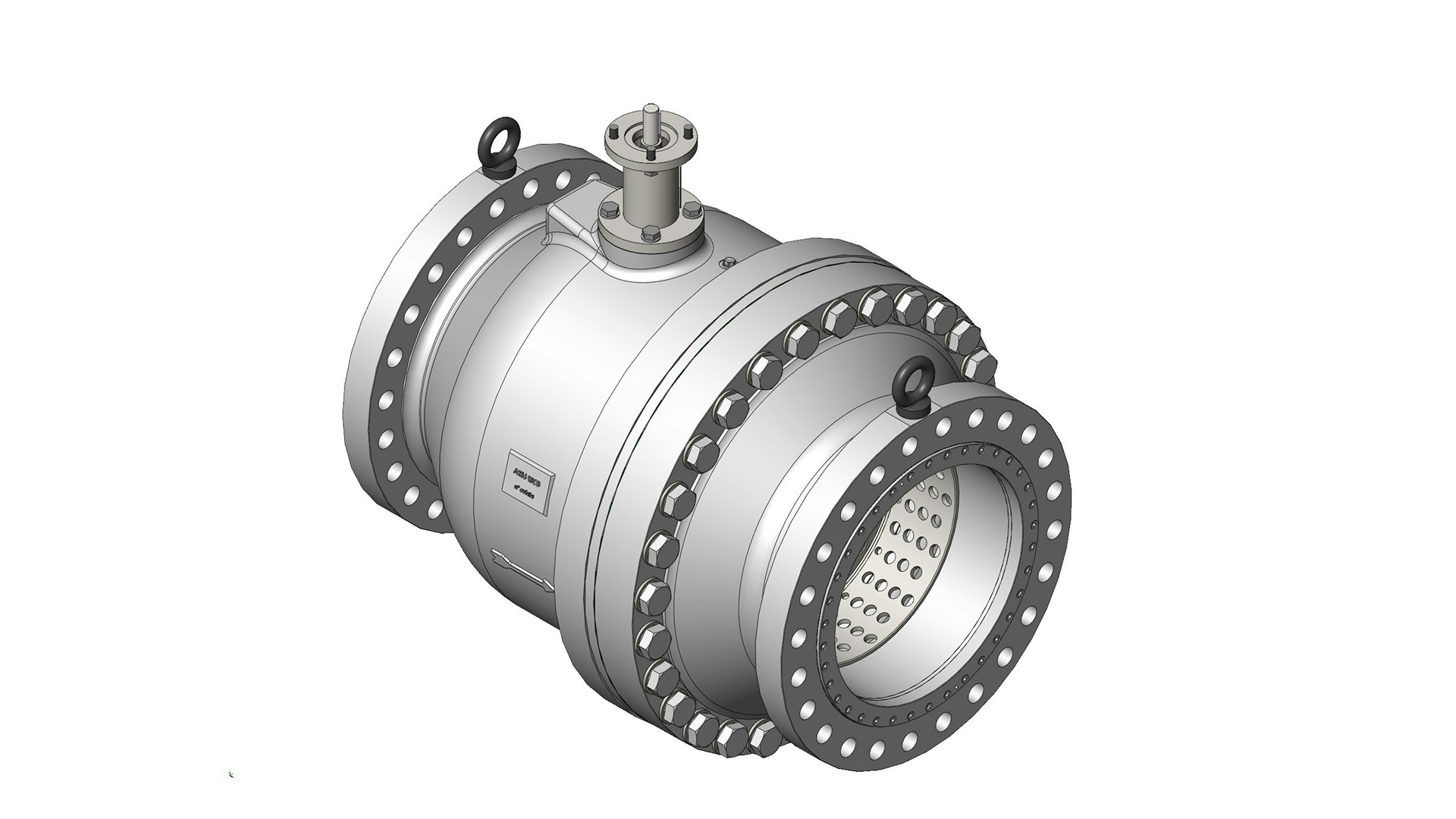
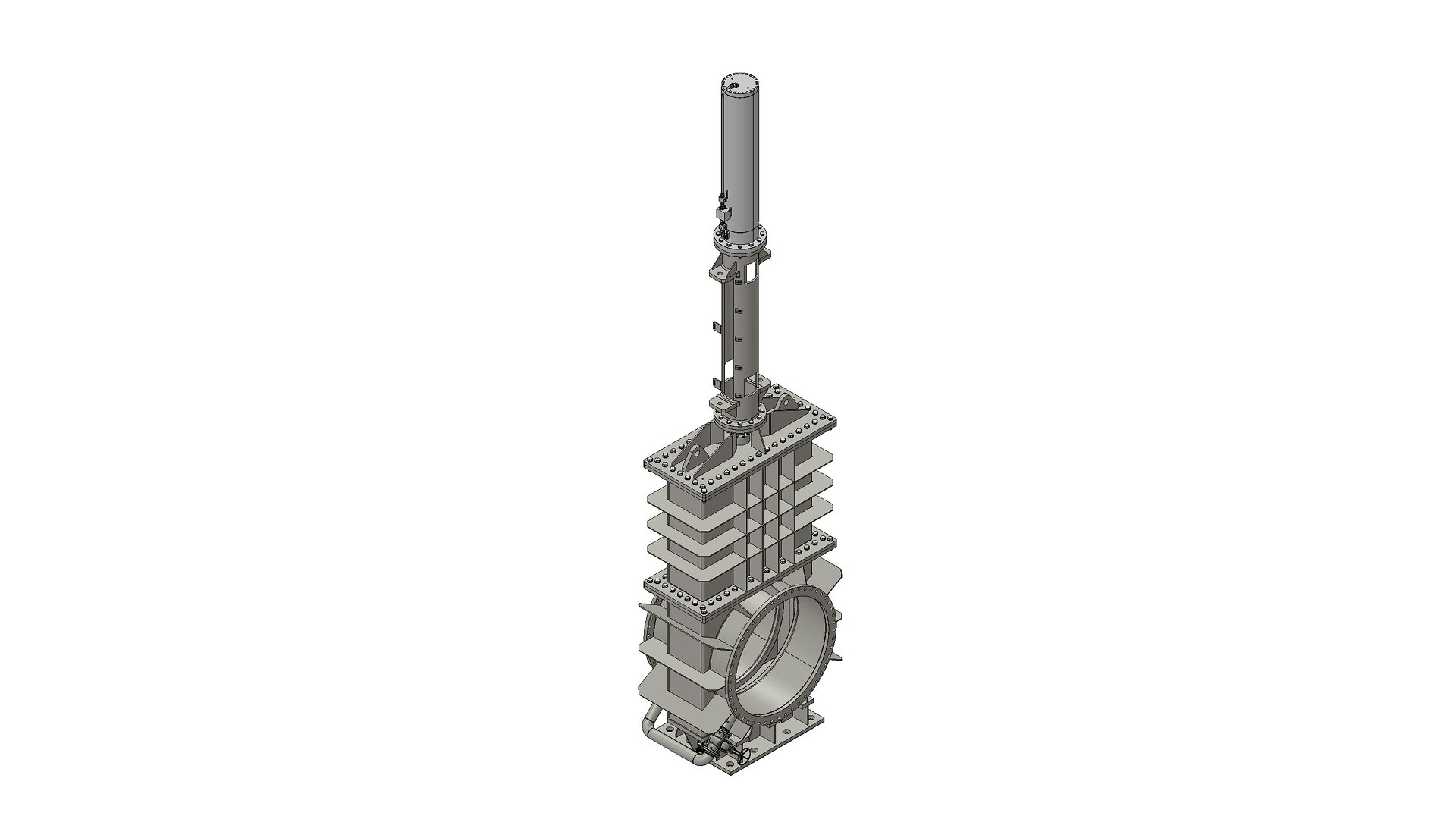
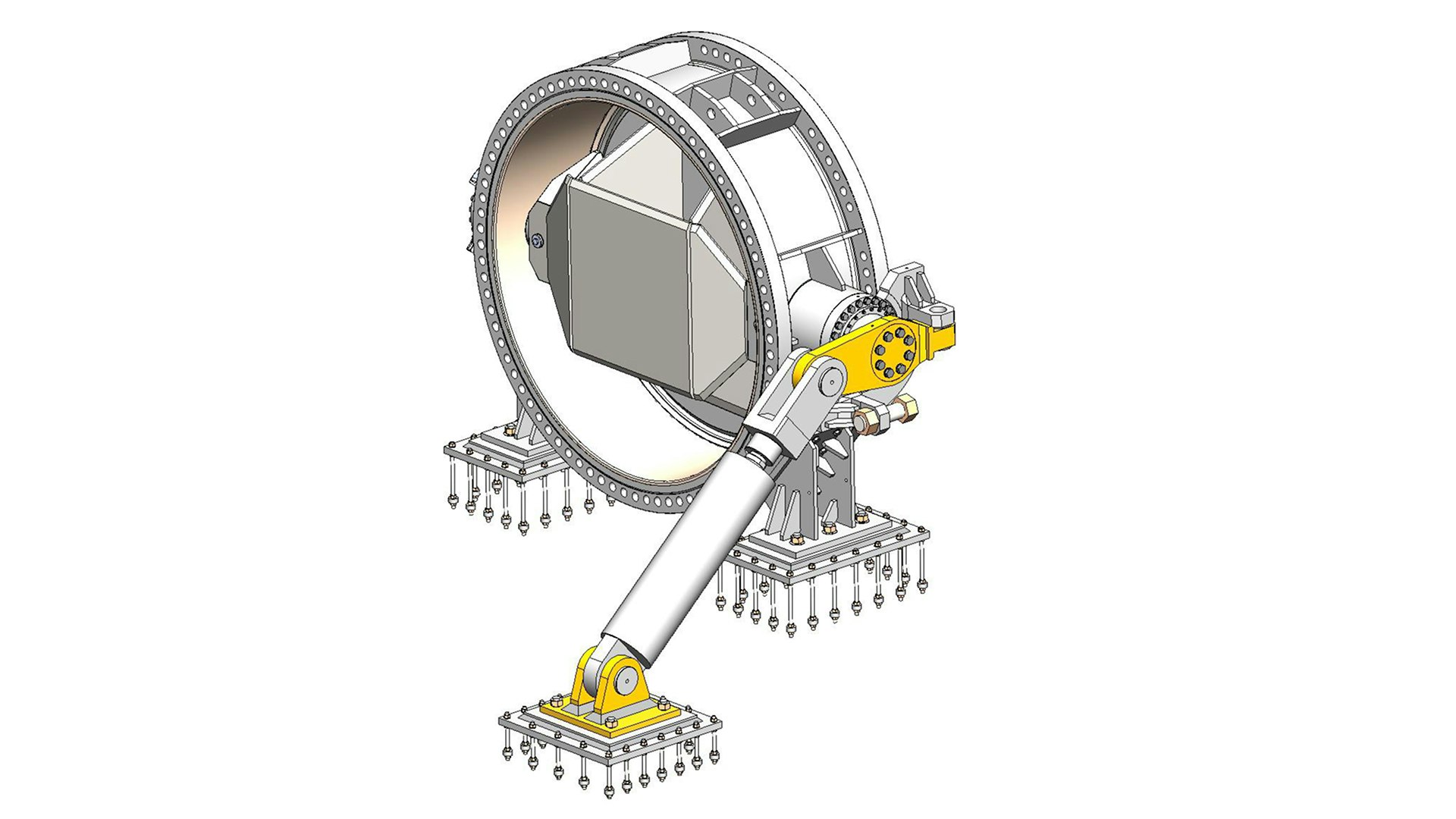
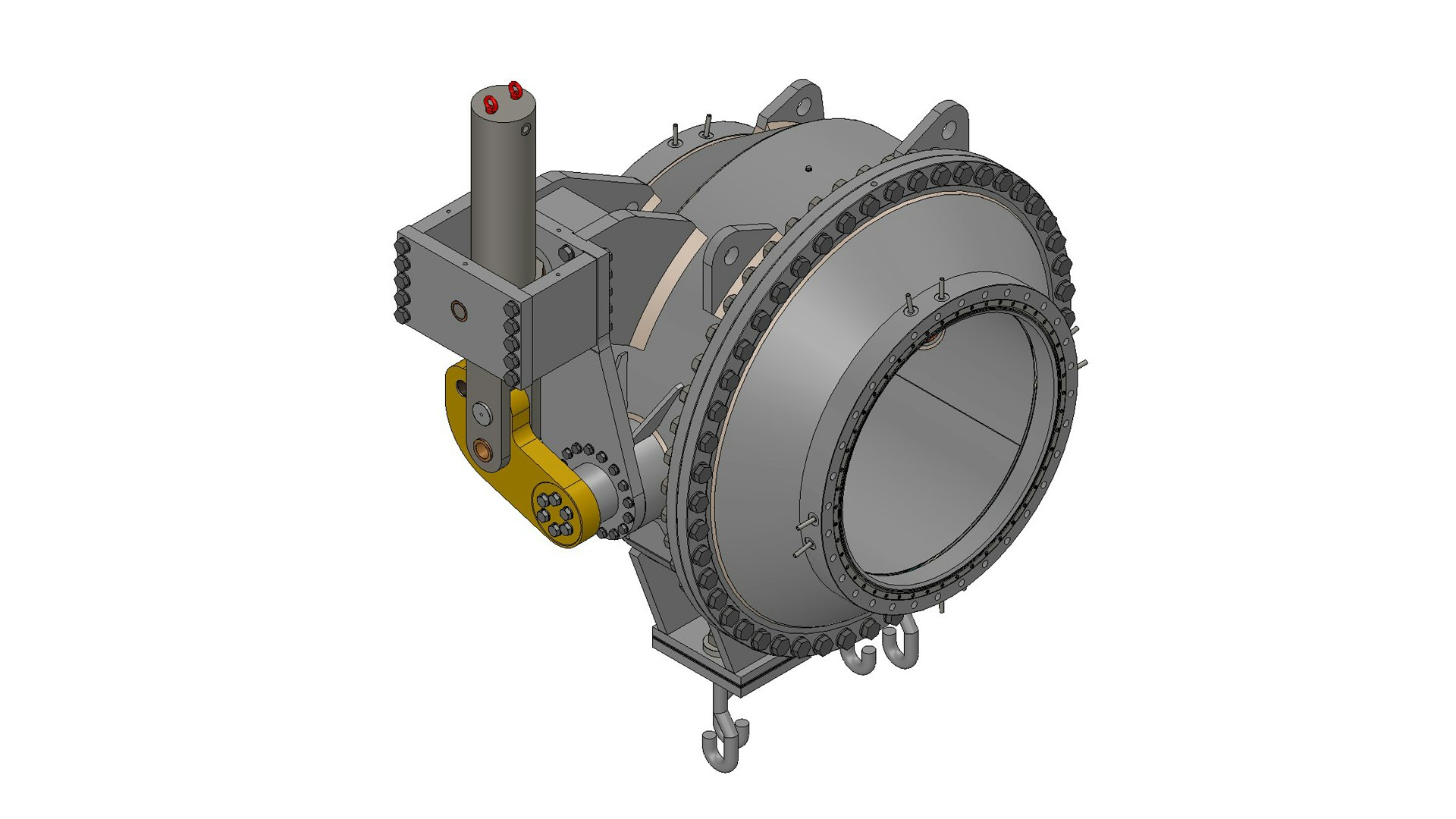
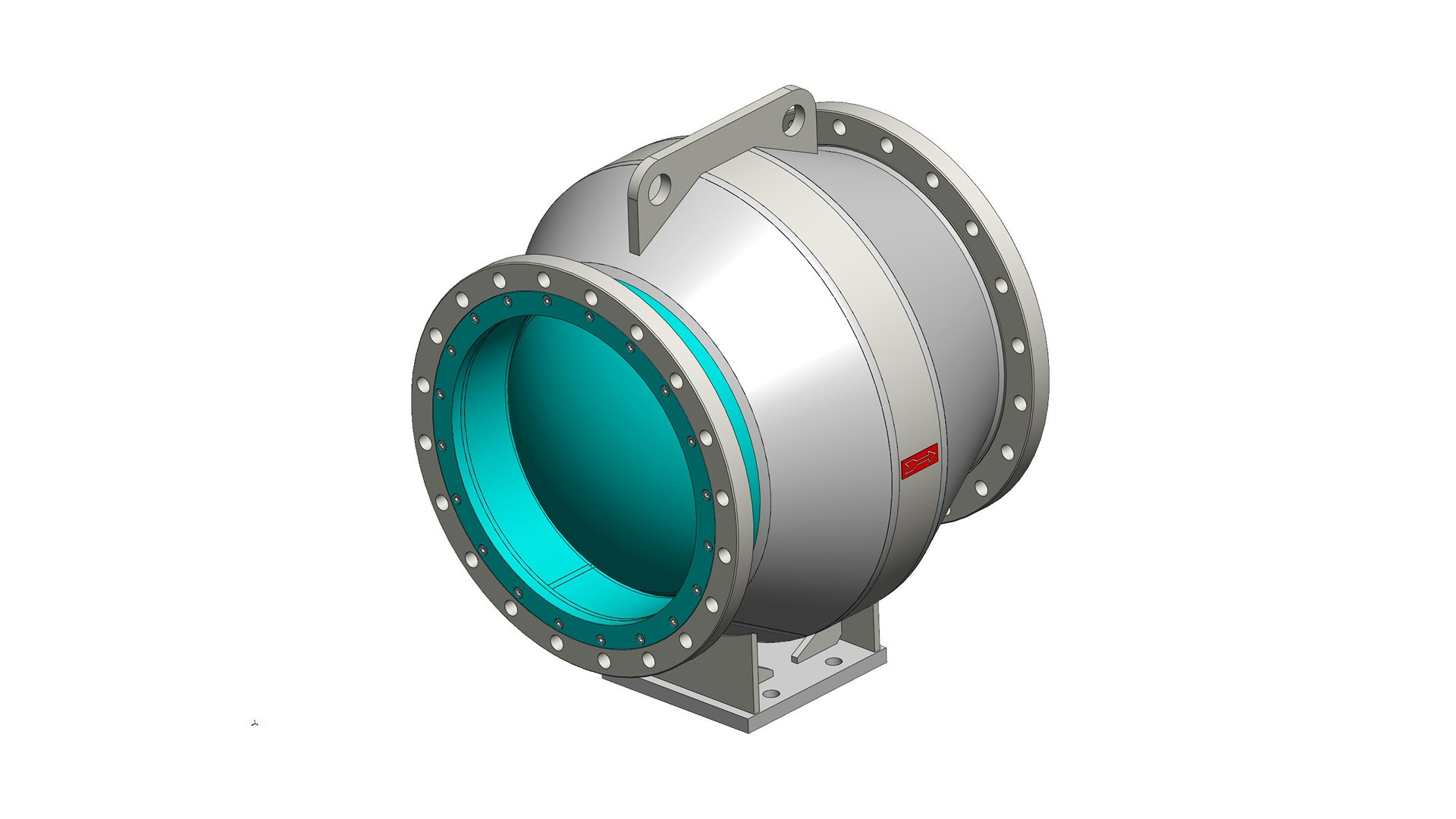
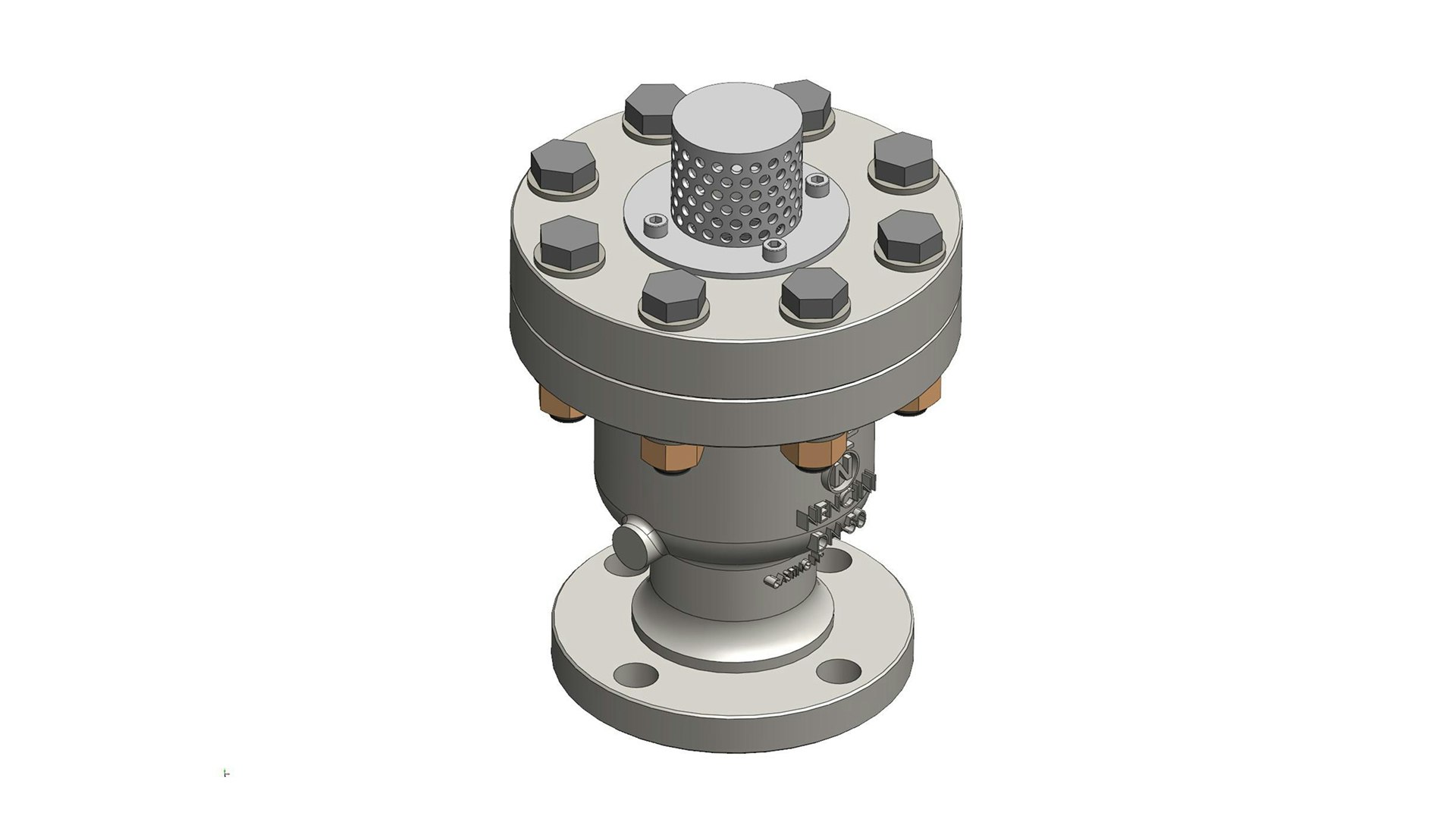
Several types of valves are commonly found in water distribution systems, each serving specific functions and suited to different applications. The main types include: