

Water Transmission Systems
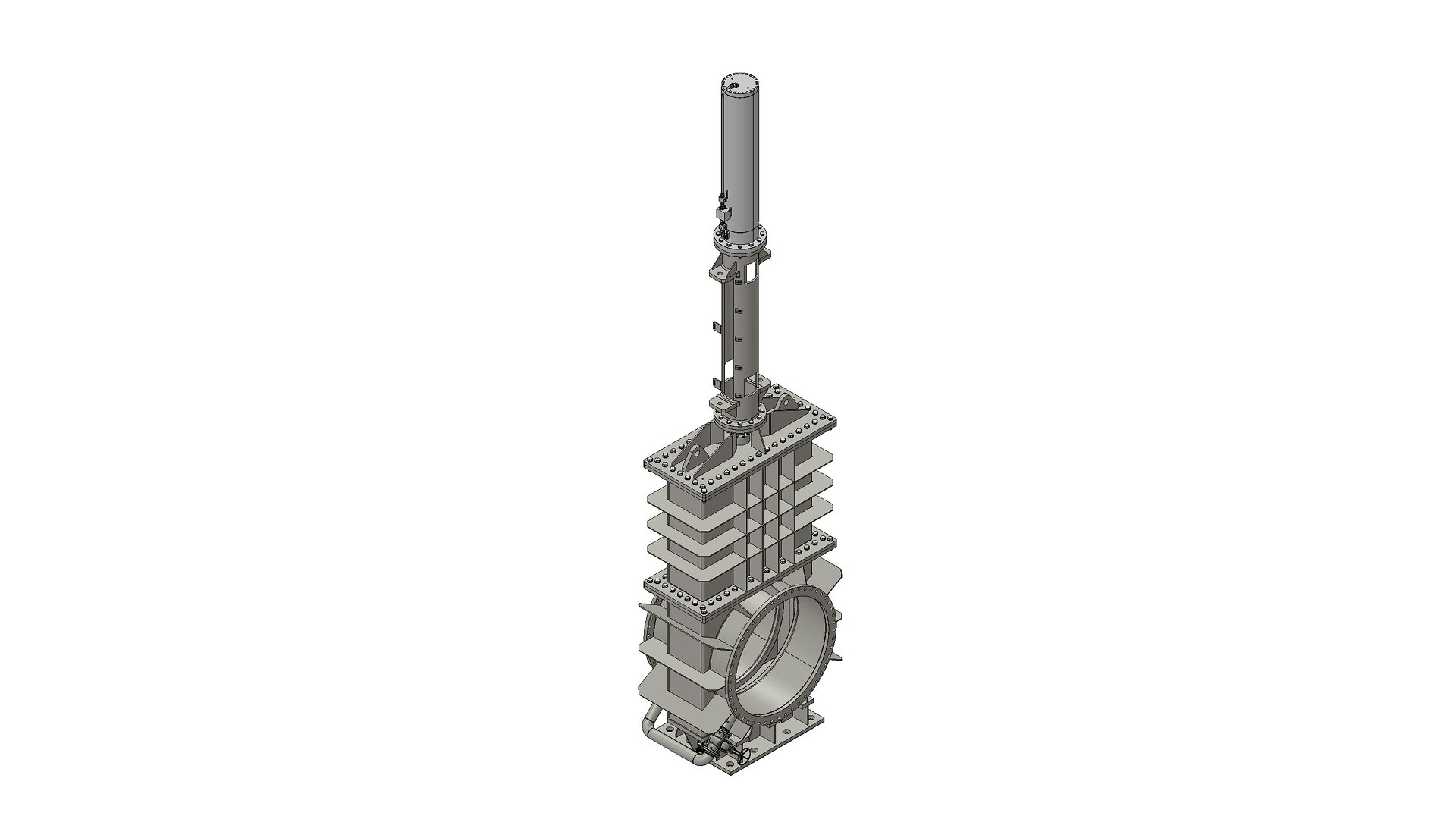
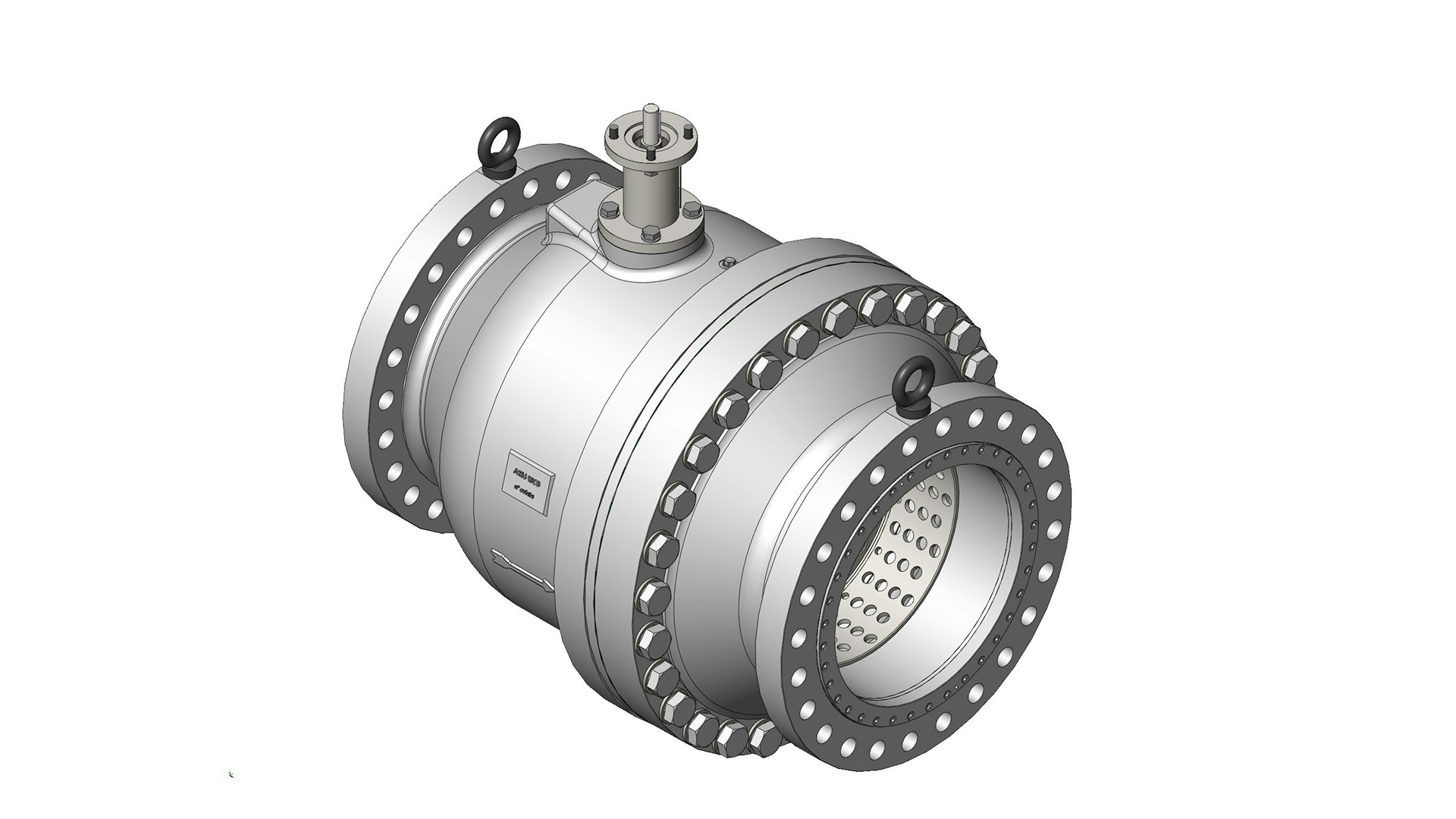
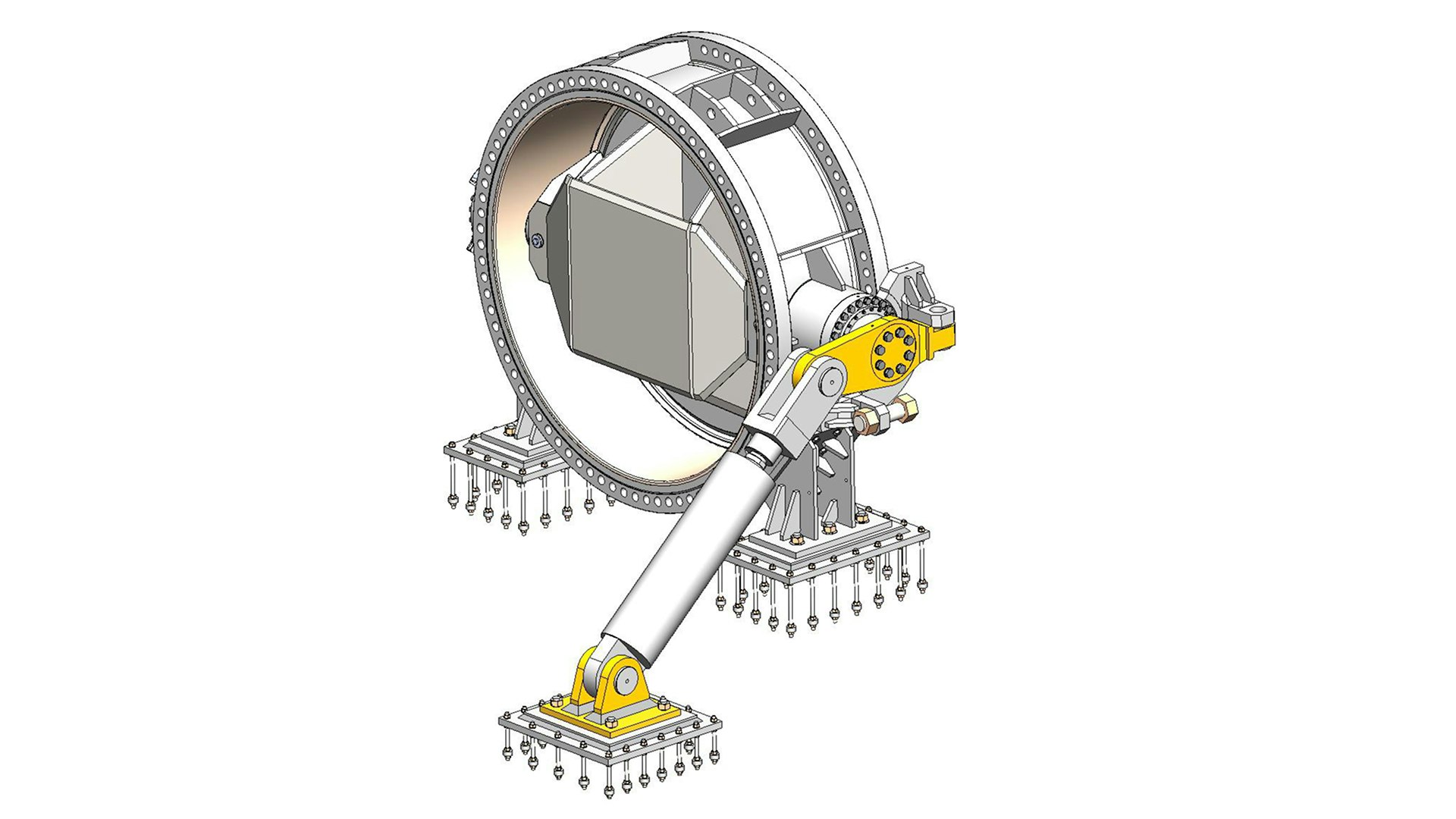
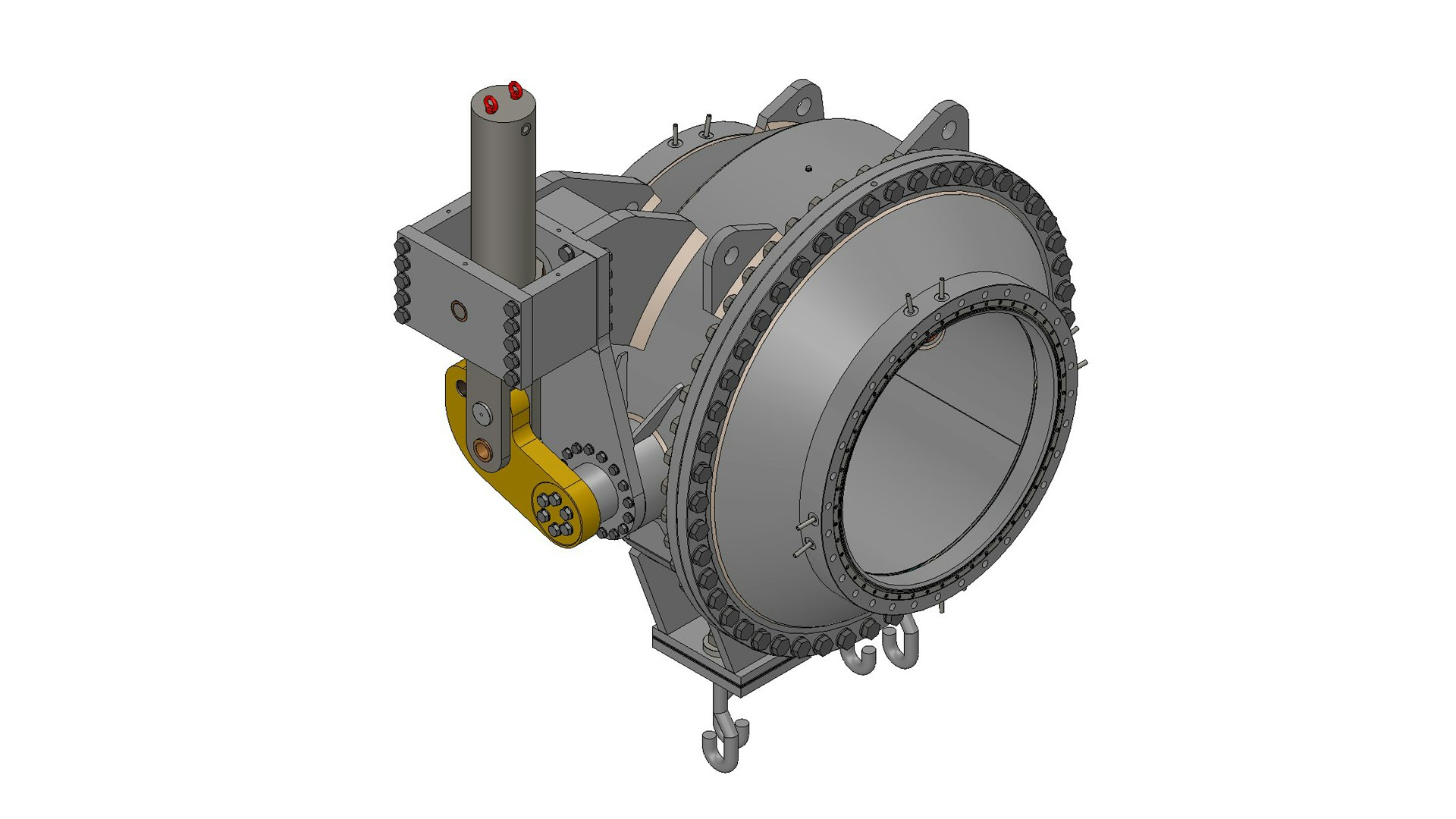
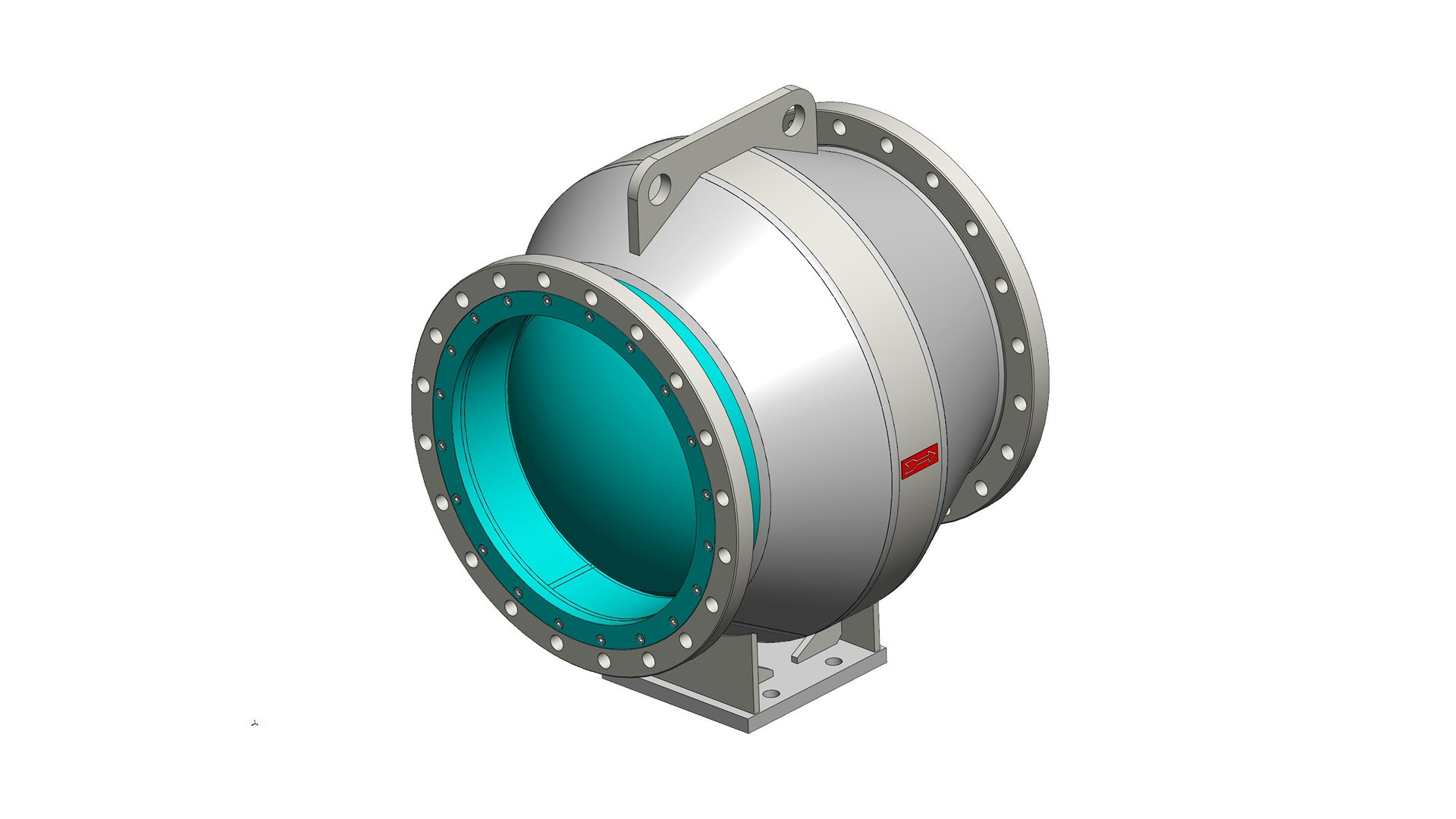
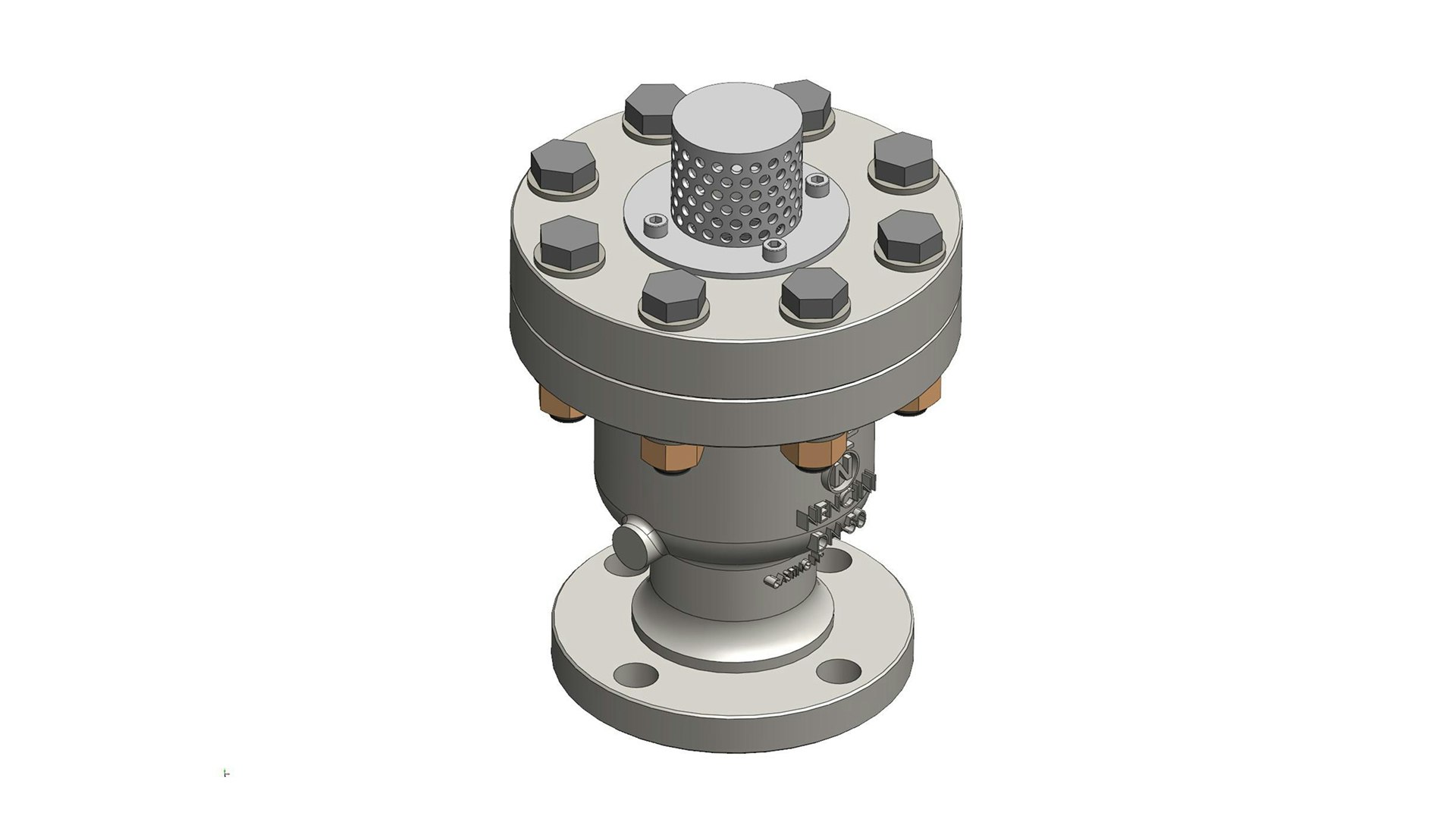
The primary function of valves in water transmission systems is to regulate, direct, and control the flow of water. They allow operators to start or stop the flow, adjust its rate, and isolate sections of the system for maintenance or emergency purposes. Additionally, valves help maintain the desired pressure within the pipelines, preventing damage and leaks.
Materials and Durability
Valves used in water transmission systems are typically made from robust materials such as cast iron, ductile iron, cast steel, or stainless steel. The choice of material depends on factors like water quality, pressure, and environmental conditions. Proper selection and regular maintenance of valves are vital to ensure their longevity and reliable operation.
Installation and Maintenance
Correct installation is essential to the effective functioning of valves. This includes ensuring proper alignment, secure sealing, and adequate support within the pipeline. Regular inspection and maintenance help to identify wear, corrosion, or blockages, reducing the risk of failure and costly repairs.